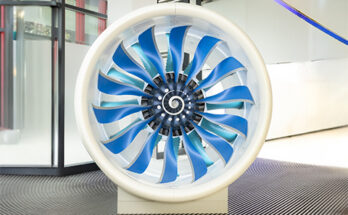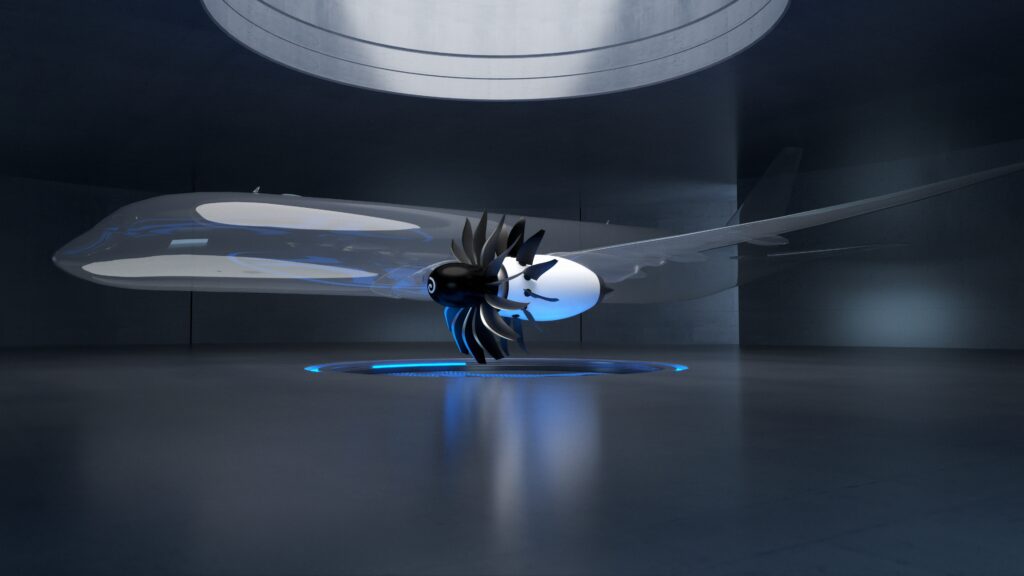
The European Union has officially launched a new aerospace initiative aimed at bringing the first Open Fan engine to flight. Funded under the Clean Aviation research and innovation program, the TAKE OFF project, short for Technology And Knowledge for European Open Fan Flight, seeks to mature a disruptive engine architecture that could transform the sustainability of next-generation aircraft.
The project is backed by a 100 million euro grant from the Clean Aviation public-private partnership. Safran Aircraft Engines serves as the consortium leader, coordinating 25 partners that include industry giants such as Airbus, Avio Aero and GKN Aerospace, alongside various universities and research centers. The group aims to demonstrate a full-scale Open Fan flight by the end of the decade, building on previous technological foundations from the OFELIA and COMPANION projects.
Unveiled in 2021 through the CFM RISE program, the Open Fan architecture targets a 20 percent improvement in fuel efficiency compared to current engines. Pierre Cottenceau, vice president of engineering, research and technology at Safran Aircraft Engines, said the project embodies a shared ambition to make aviation more sustainable. Cottenceau noted that the collaboration will showcase the benefits of the architecture in terms of both energy efficiency and acoustic performance.
The scope of TAKE OFF covers every phase of development, including engine assembly, aircraft integration and flight clearance. The project will culminate in a flight demonstration using an Airbus A380, which is intended to prove the technology’s maturity at a pre-development level. According to María Calvo, head of unit project management at Clean Aviation, the project is a flagship action for short- and medium-range aircraft thrust.
Data gathered from the flight tests, which are expected to take place in 2029, will undergo comprehensive post-flight analysis. If successful, these efforts will pave the way for the Open Fan engine to enter service by the middle of the next decade. This timeline aligns with the broader European goal of developing ultra-efficient propulsion systems to reduce the environmental impact of the aviation sector.